Congo is Calling - Will Canada answer?
The Embassy Magazine
By: Paul Dewar, Tanja Bergen and Annabel Wong
On September 21st, people around the world gathered to mark the United Nations’ International Day of Peace. This day has historically given Canadians a chance to celebrate our hard-earned reputation as peace pro
moters in some of the world’s worst conflicts. This year, the International Day of Peace offered Canadian decision makers an opportunity to reflect on our record to see how our reputation stands today with Canadians and the global community.
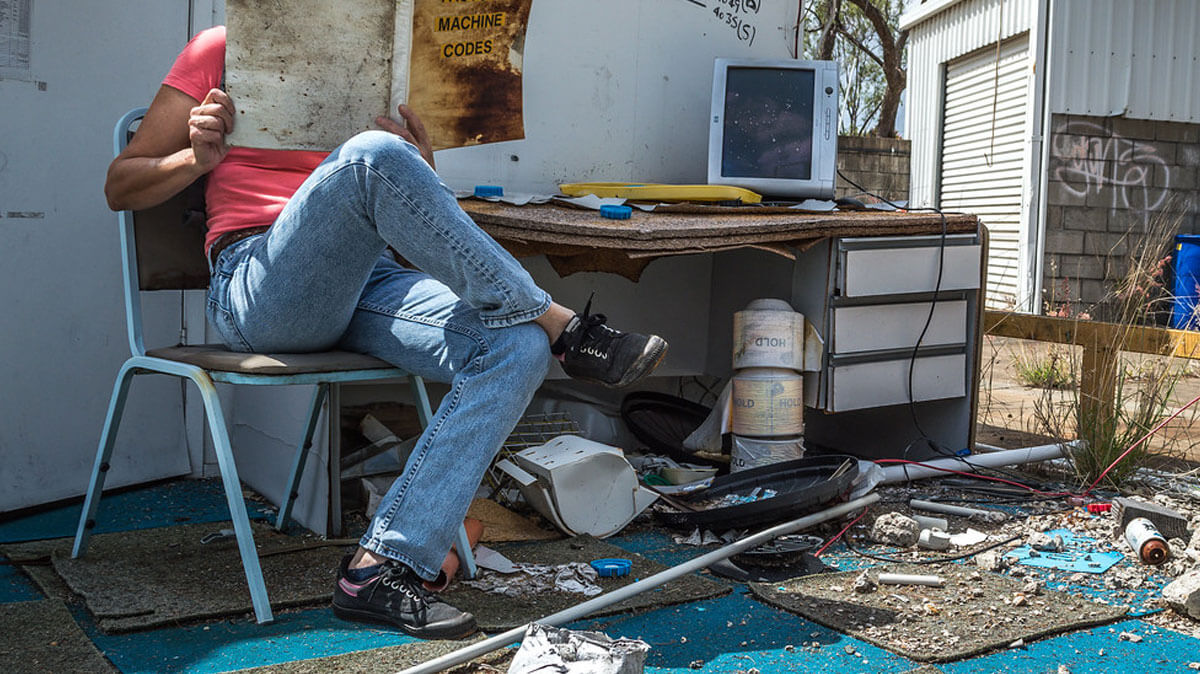
In the Democratic Republic of the Congo (DRC), the people whose natural resources sustain our high-tech way of life face persistent, deep violence wrought by a decades-long civil war. As global citizens, we must ask: do our engagements there promote peace, human rights and better quality of life – or do they sustain the violence?
The conflict-ridden eastern portion of the DRC has been called, without exaggeration, the rape capital of the world. Over six million lives have been lost in the violence. Mass rape of women, girls and men has become the preferred weapon of the militias for terrorizing people out of their lands. These lands conceal rich mineral deposits of columbite-tantalite (coltan) – a vital component in common electronics like cellphones, BlackBerrys, and Playstations.
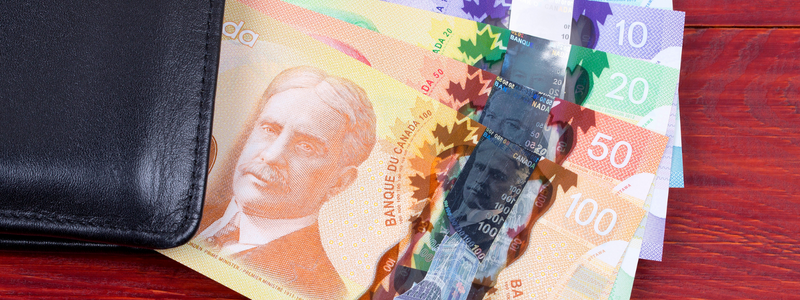
Canadian mining interests in the DRC were valued at $5.7 billion as of December 31, 2008. Despite the profits enjoyed by Canadian mining companies and electronics manufactures, the Government of Canada’s only tangible contribution to ending the violence in the DRC has been the provision of $15 million over the last four years to support survivors of rape in the wider Great Lakes Region. Though the contribution helps civilians and NGOs working on the ground to assist survivors, it ultimately represents a token gesture in the face of the epidemic levels of violence, and pales in comparison to the amount of wealth we take out of the DRC.
Canada made a commitment to implement UN Security Council Resolution 1325, which recognizes violence against women as a global security challenge and sets out a path for the meaningful engagement of women in peace building, almost ten years ago. In the intervening years, we took no action to live up to that commitment. We have stated our support for the UN peacekeeping mission in the DRC. But when we were asked to make good on that support by leading the coordination of the peacekeepers in 2003, we chose to join the counter-insurgency mission in Afghanistan instead.
After two years of sitting on the recommendations of a national advisory group on corporate social responsibility, the government has enacted weak regulations that do little to ensure that our mining activities in the DRC are held to acceptable human rights and environmental standards. In the same timeframe, we have also witnessed the government’s withdrawal of active political support for Congolese peace processes. Cutting our direct aid to the DRC and ordering our foreign service not to use the terms “impunity,” “justice for victims,” and “international humanitarian law” when referring to survivors of rape in the DRC is not a record we can celebrate.
Canada’s approach to the DRC must change. An All-Party Parliamentary Group for the Prevention of Genocide and other Crimes against Humanity (Genocide Prevention Group) has recently released a report outlining a new way forward in the DRC. The group found that the developed world’s appetite for coltan is financing the conflict. As such, both the activities of Canadian mining companies and the Canadian consumption of coltan-based electronics imply a responsibility toward the people whose natural resources sustain our way of life.
Rather than contributing to the crisis, Canadians can take an active role in ending it. Implementing legislation similar to the American Bill S-891, the Congo Conflict Minerals Act, would obligate Canadian-registered entities to disclose the origin of the coltan in their products. Such action would help ensure that no Canadian company is contributing to armed conflict and human rights abuses in the DRC. Given that Canada is the largest non-African investor in the DRC's mining industry, this approach holds significant promise.
The Genocide Prevention Group’s call for action is echoed by the Africa Canada Accountability Coalition (ACAC), a research-based advocacy organization housed at the Liu Institute for Global Issues at the University of British Columbia. Their new report, “’The Worst Place in the World to be a Woman or Girl’: Rape in the DR Congo: Canada, Where Are You?”, argues that Canada is particularly well positioned to address mass rape and other forms of sexual violence in the DRC.
The report calls for a whole-of-government approach to create a new legacy in the DRC that builds peace and supports human rights. Canada must invest locally and support the Congolese people who are already promoting peace at the grassroots in the face of incredible adversity. This approach would promote transparency and ensure that Canadian investment does not in any way contribute to a conflict that preys on women and girls. We must end judicial impunity and assist Congolese women and girls in accessing lifesaving medical care, psycho-social support and community re-integration.
Although the DRC must ultimately cease the conflict on its own terms, there is much that Canada should be doing to support the efforts of courageous Congolese women and men who are building peace day by day. It is time to call on Canada’s parliamentarians to prioritize the struggle against crimes against humanity in Canadian foreign policy. It is time to demand an end to rape as a weapon of war in the DRC and elsewhere.
Let us focus on action. Our proud history demands no less.
Paul Dewar is the Member of Parliament for Ottawa Centre and the New Democrat foreign affairs critic. He travelled to the Democratic Republic of Congo in his capacity as Chair of the All-Party Parliamentary Group for the Prevention of Genocide and Other Crimes against Humanity.
Tanja Bergen and Annabel Wong represent the Africa Canada Accountability Coalition, a student-run, research-based advocacy organization that is housed in the Liu Institute for Global Issues at the University of British Columbia.
Contact Information
Paul Dewar, MP
New Democrat
Ottawa Centre
1306 Wellington St. W
Ottawa ON
K1Y 3B2
613-946-8682